Part 2 of 3 in the series The Dallas Calibration Calendar: Season-Proofing Your Windshield Before Damage Wins (The Complete Series).
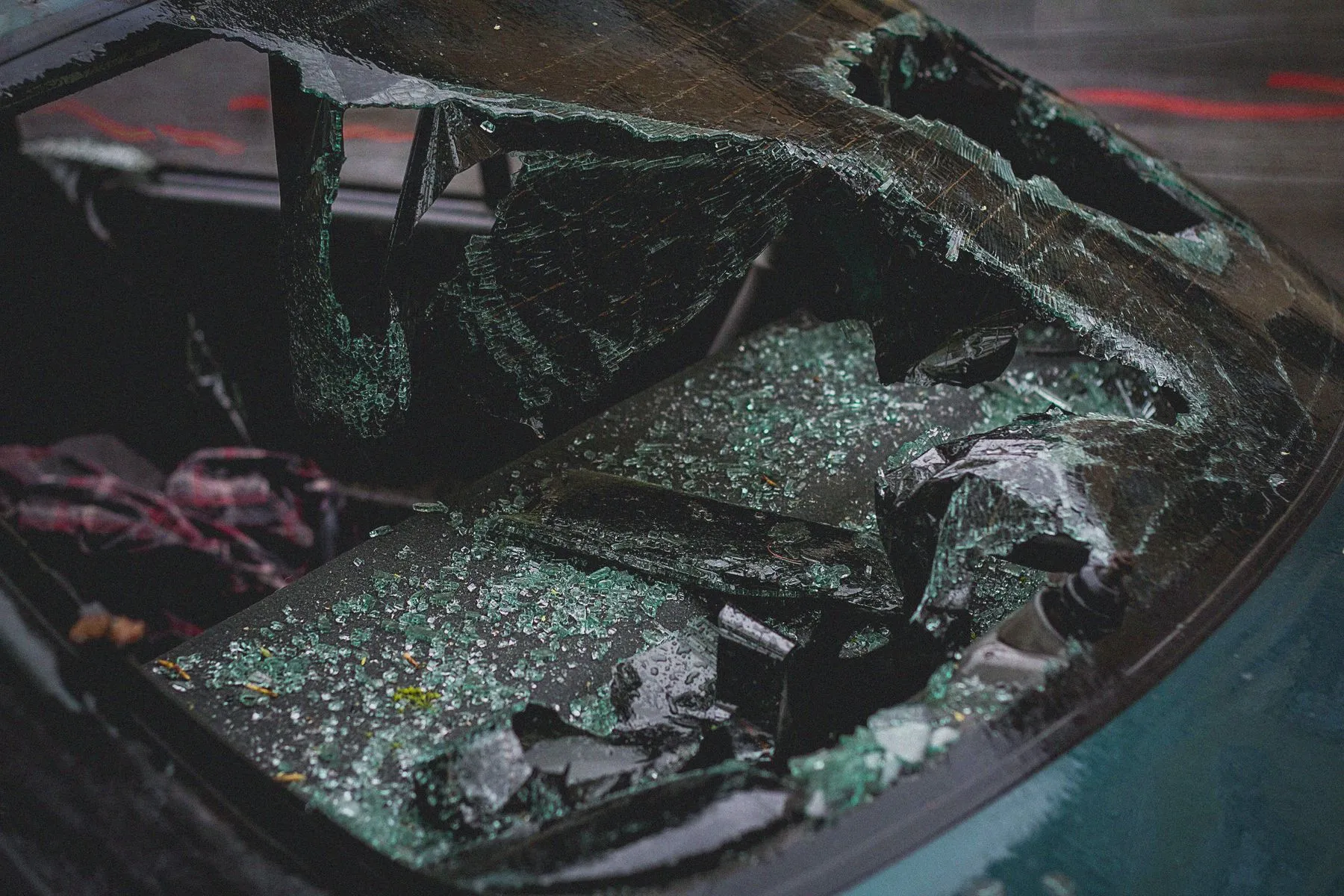
Part one of this series looked at how triple-digit Dallas heat turns a coin-sized chip into a split that runs the width of your glass. Now we swing to the other end of the weather calendar, where the damage does not creep in slowly. It arrives in about four minutes, sideways, and sounds like someone emptying a bucket of golf balls on your roof.
This series was shaped in part by insights from Goliath Auto Glass, whose technicians spend storm season sorting out which vehicles can be repaired quickly and which ones get stuck waiting because nobody knows what the driver-assist system was doing before the hail hit.
Hail Does Not Have to Break Glass to Break Your Camera
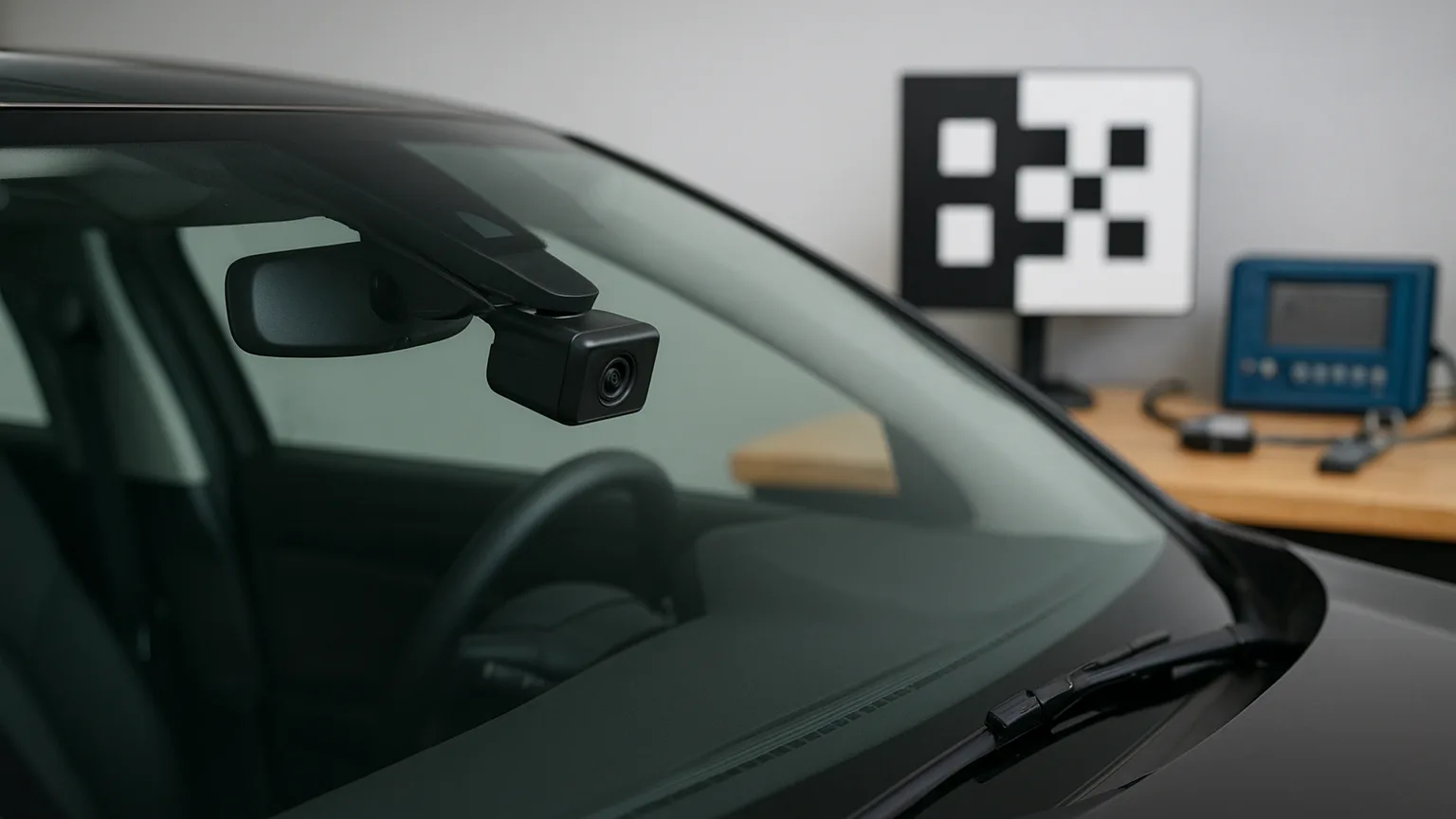
Most drivers check for cracks after a storm. Cracks are the obvious part. What gets missed is the forward-facing camera behind your windshield, usually tucked up near the mirror, aimed down the road with a tolerance measured in fractions of a degree. It feeds lane keeping, automatic emergency braking, adaptive cruise, and pedestrian detection.
It does not need broken glass to lose accuracy. It needs movement. Hail hammering the roof and cowl sends shock through the body. Windblown debris slams the glass. A branch clips the A-pillar. The bracket shifts a hair, or the glass settles a little differently in the urethane. Nothing looks wrong. The camera is now pointed slightly off, and it will keep reporting confidently while measuring from the wrong baseline.
There is a quieter version of this problem. Dozens of small hail dings create a haze of micro-pitting that scatters light and degrades what the camera can read, especially at dusk or in rain, which in North Texas tends to arrive right behind the hail.
Why the Spring Window Is the Wrong Time to Start Learning This
When a serious hail event hits Dallas, Plano, Garland, and Rockwall in the same hour, glass shops fill up fast. Calibration bays fill faster, because there are fewer of them. Show up with a cracked windshield and no history, and the shop has to figure out your system from scratch, order the right glass with the right bracket and frit pattern, then find calibration time.
Drivers who walked in with documentation ahead of the storm move through in a fraction of the time. They know whether their vehicle needs static calibration, dynamic, or both. They have a printout showing the system was in spec. The adjuster has something to compare against, and the claim stops being a debate.
Your Pre-Storm Checklist
Do this on a slow Saturday, well before the first severe weather alert of the season.
- Photograph the glass in daylight. Shoot the whole windshield at an angle, then close-ups of every chip, pit, and old repair. Date stamps matter.
- Inspect the camera housing. Look for cracked plastic, loose trim, condensation, or a bracket that does not sit flush.
- Scan for stored codes. A shop scan tool pulls camera and radar fault history most dash lights never show you.
- Request a calibration verification. Not a full recalibration, just confirmation that the system reads within factory tolerance right now.
- Save the paperwork digitally. Glovebox paper does not survive a flooded floorboard.
- Write down your glass part number. Acoustic, heated, HUD, rain sensor, heated wiper park. The options change which glass you need.
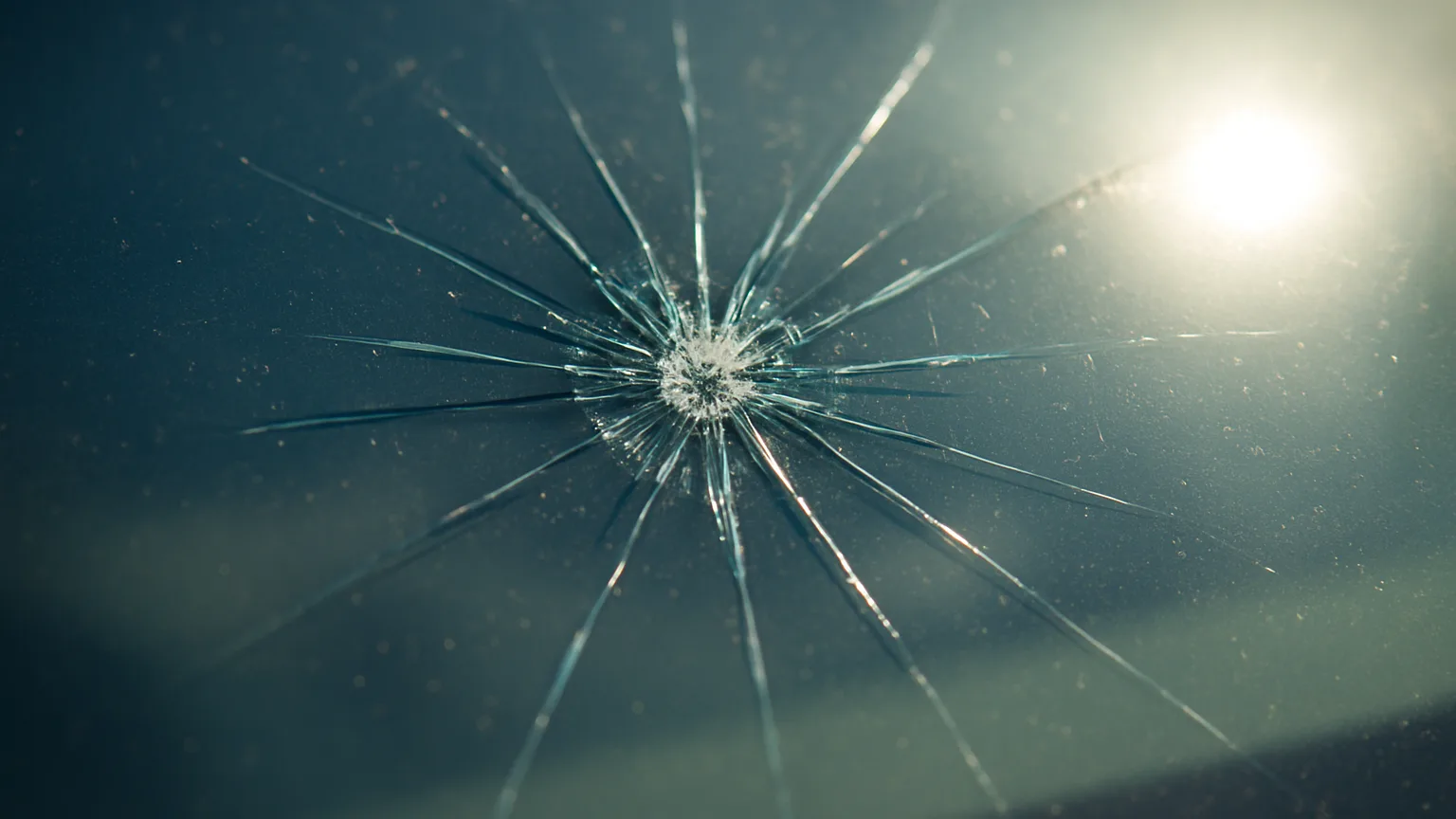
Fix the small stuff while you are at it. A windshield with existing chips is a windshield with weak points, and hail finds weak points with unnerving accuracy. An impact that would bounce off healthy laminated glass will run a crack straight out of an old star break. If you are unsure whether a chip still qualifies for a resin repair, the quarter test makes that call before a storm makes it for you. Repairs matter for another reason drivers rarely consider: a resin fill inside the camera's viewing area can distort what the sensor reads, even when it looks clean to your eye. Handle those early and any recalibration happens on your schedule rather than in a two-week backlog.
What Makes a Claim Go Smoothly
"The vehicles that clear fastest after a hail event are the ones where the owner can show what the system looked like before the storm," says Marcus Delgado, ADAS calibration lead at Goliath Auto Glass. "Without that, you are arguing about whether a misalignment is storm damage or something that has been drifting for a year."
Texas coverage rules are their own subject, and plenty of misinformation floats around about what your policy includes. Sort it out before you need it, since Texas never passed the free windshield law many drivers still believe exists. What is consistent is that documented, dated evidence shortens every conversation with an adjuster.
Ask Your Shop These Four Questions
- Does my vehicle require static calibration, dynamic, or both?
- Will you provide a printed before-and-after report?
- Is the calibration performed in-house or sublet to another facility?
- Does the quote include calibration, or is that billed separately?
After the Storm Passes
Do not judge your glass from inside the car. Hail damage often shows as shallow surface pits that disappear at certain angles and light up like frost when the sun is low. Walk around the vehicle and look at the glass from outside, from several angles.
Then pay attention to behavior. Lane centering that hugs one side, adaptive cruise that brakes late, or a system that quietly disables itself in light rain are all symptoms of a camera measuring from a shifted reference point. None of those will necessarily trigger a warning light.
If the glass is replaced, calibration is not optional. New glass means a new mounting surface, a slightly different thickness profile, and a camera that has to relearn where the road is. Skipping it leaves you with features that appear to work and are quietly wrong.
The Calm Between Storms Is Where You Win
Hail season in North Texas is not a surprise event. It is a recurring appointment, and the drivers who come out ahead treat it that way. A verification scan, a folder of dated photos, and a chip repaired before it becomes a fault line cost very little in March and save enormous frustration in April. The goal is not to prevent hail. It is to make sure that when your windshield takes a hit, everything else about the repair is already sorted out.
Once the spring storms pass, the calendar turns toward a different stress test. Cold mornings, defrosters blasting heat into freezing glass, and ice scrapers working along stressed edges will find whatever weakness summer and hail left behind. The next part of this series covers how to winterize your windshield, reseal what needs resealing, and keep your driver-assist system honest when temperatures drop.
Glass problem in your driveway right now?
Send a photo with the year, make and model. You get a straight answer on repair or replacement and a time we can be there.