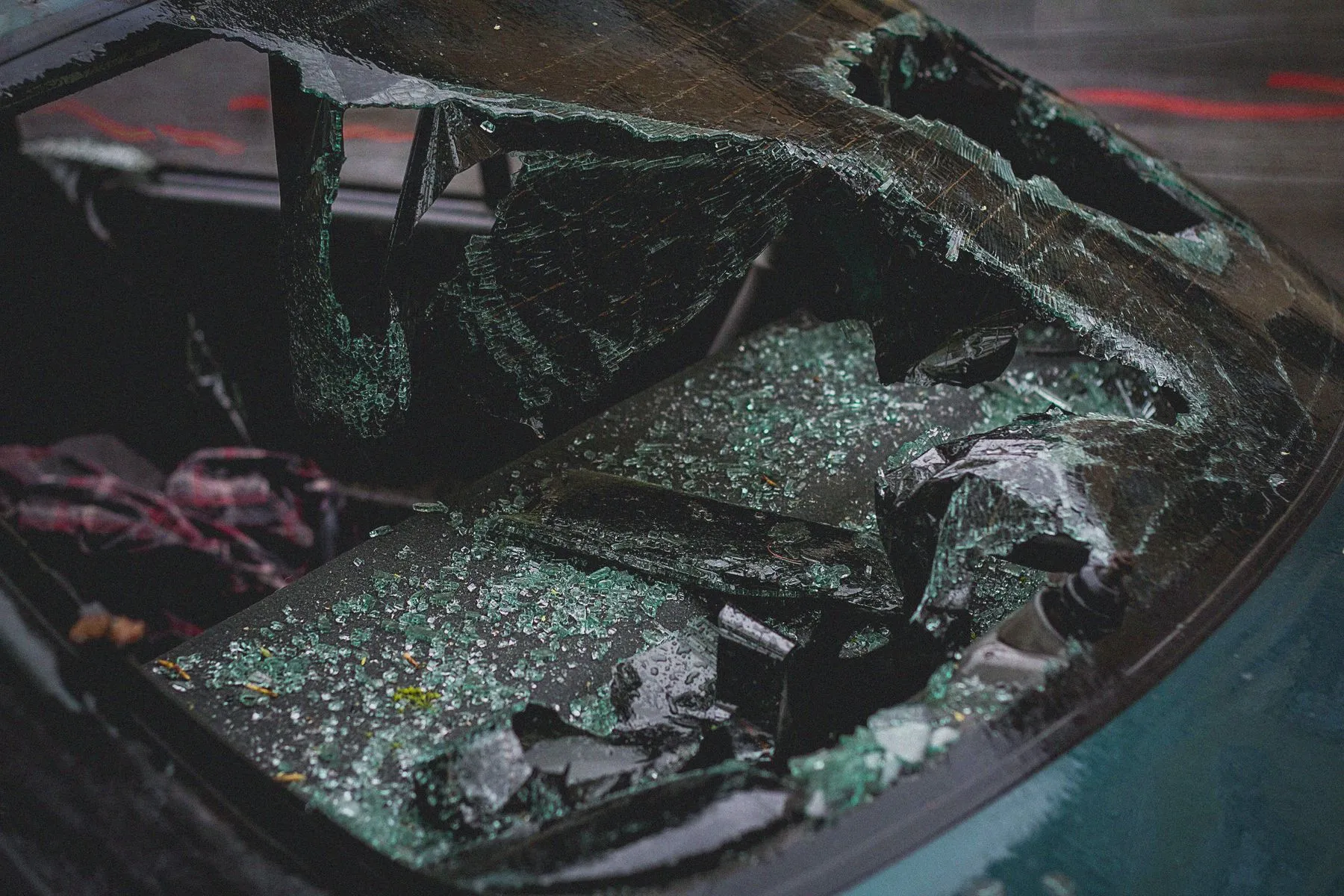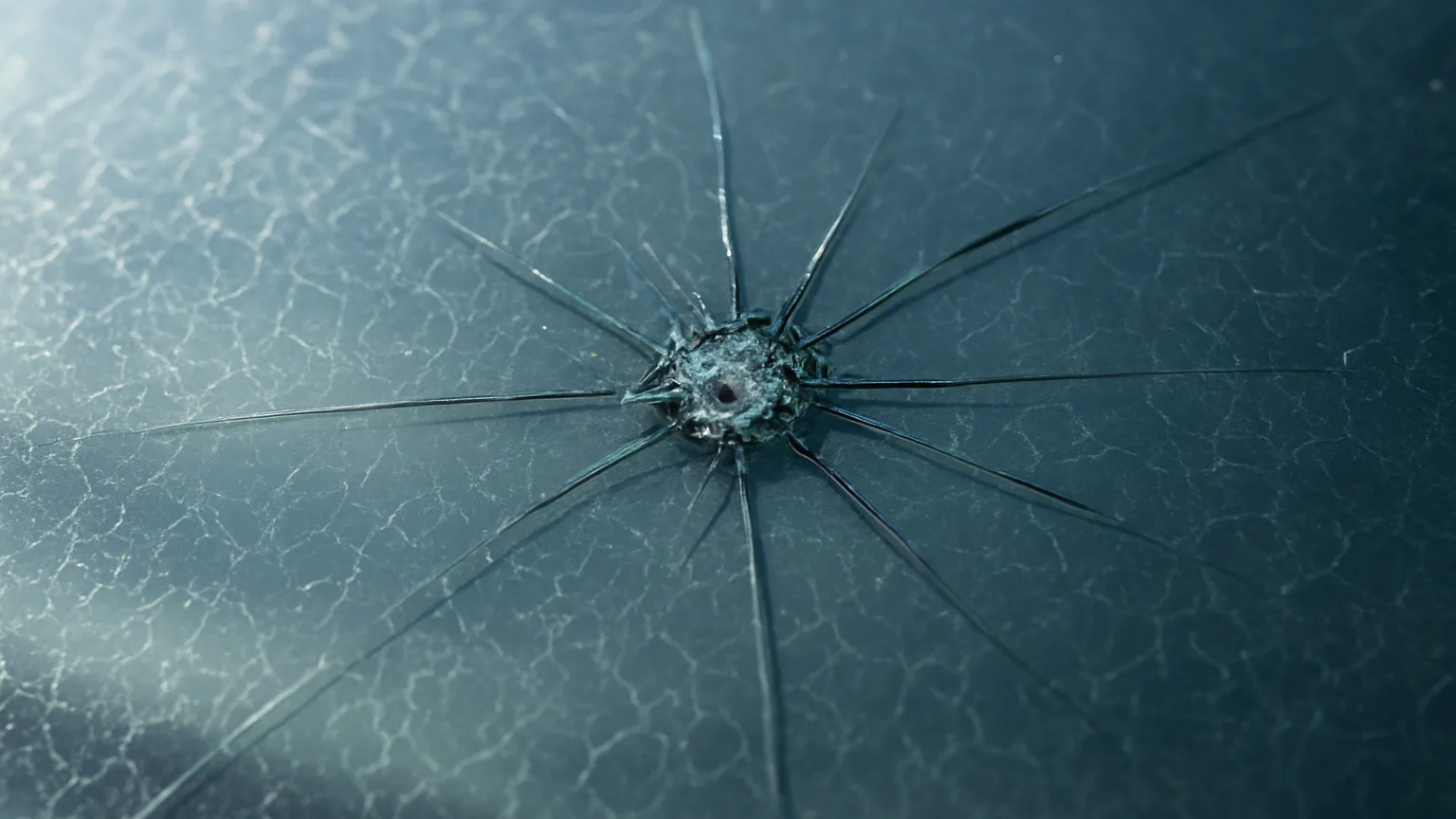
Most windshield advice treats damage like a random event. In Dallas, it is closer to a schedule. Chips spread in July because the glass is baking at 160 degrees and the A/C is blasting cold air across it. Calibration drifts in spring because hail and highway debris hammer the top of the glass where the camera lives. Cracks finish the job in December, when a defroster hits frozen glass that already spent the summer under stress. Same windshield, three very different threats, three very different windows to act.
This series is for Dallas and North Texas drivers who keep meaning to get that chip looked at, and for anyone driving a newer vehicle with lane keeping, automatic emergency braking, or adaptive cruise control mounted behind the glass. Those systems do not tolerate guesswork. A windshield swap or a shifted bracket can put a forward camera out of spec without a single warning light. Technical input from Goliath Auto Glass helped shape the calibration guidance across all three parts, particularly the details on when a static calibration is required versus a dynamic road procedure.
The problem the parts below walk through is simple to state and expensive to ignore: damage wins when you treat it as one problem instead of a seasonal one. Time the repair to the season and a chip stays a chip. Miss the window and you are buying glass, sensors, and shop time.
What the Series Covers, Season by Season
Summer: Heat, Thermal Shock, and the Chip That Grows Overnight
The first part starts where most Dallas damage starts, with a chip you could cover with a dime. Triple-digit afternoons expand the outer layer of laminated glass while the A/C contracts the inner layer. That push and pull concentrates at the chip and drives a crack outward, often in a single afternoon in a parking lot off I-635.
It covers how resin behaves differently in extreme heat, why shaded or cooled glass gives a cleaner repair, and the short list of chips that are still worth saving. It also explains what happens to calibration when a summer repair turns into a summer replacement, and why the camera bracket and the windshield's optical zone matter more than the crack itself. Key points in that stretch include:
- Why parking direction and A/C habits change how fast a chip runs
- The size and location limits that separate repair from replacement
- How heat affects resin cure time and final clarity
- When a summer replacement triggers a required ADAS recalibration
Spring: Hail, Debris, and Proving Your Calibration Was Right
The second part moves to the storm window. North Texas hail does not need to break glass to cause trouble. Impact energy travels through the windshield into the bracket and mounting points that hold a forward-facing camera. A few millimeters of shift is enough to aim the system at the wrong spot on the road.
This is the documentation part of the series. It walks through pre-season checks, how to capture a baseline calibration record, and why that record makes post-storm claims move faster and cleaner with insurance. It also separates real pitting damage from cosmetic marks, and explains why a sensor that still reports normal is not proof of correct aim.
Winter: Cold Snaps, Defroster Blasts, and Finishing Damage
The third part closes the loop. Glass weakened by a long summer rarely fails in the heat. It fails on the first freezing morning, when hot defroster air meets a cold windshield or an ice scraper catches an edge. The part covers cold-weather repair limits, urethane cure times in low temperatures, resealing edges before moisture works in, and the calibration checks that keep driver-assist features accurate when visibility is already poor.
Where to Jump In
Read part one first if you want the full calendar in order, since summer damage sets up everything that follows. If a specific season is bearing down on you, go straight to it. Each part stands alone.
Read the Series
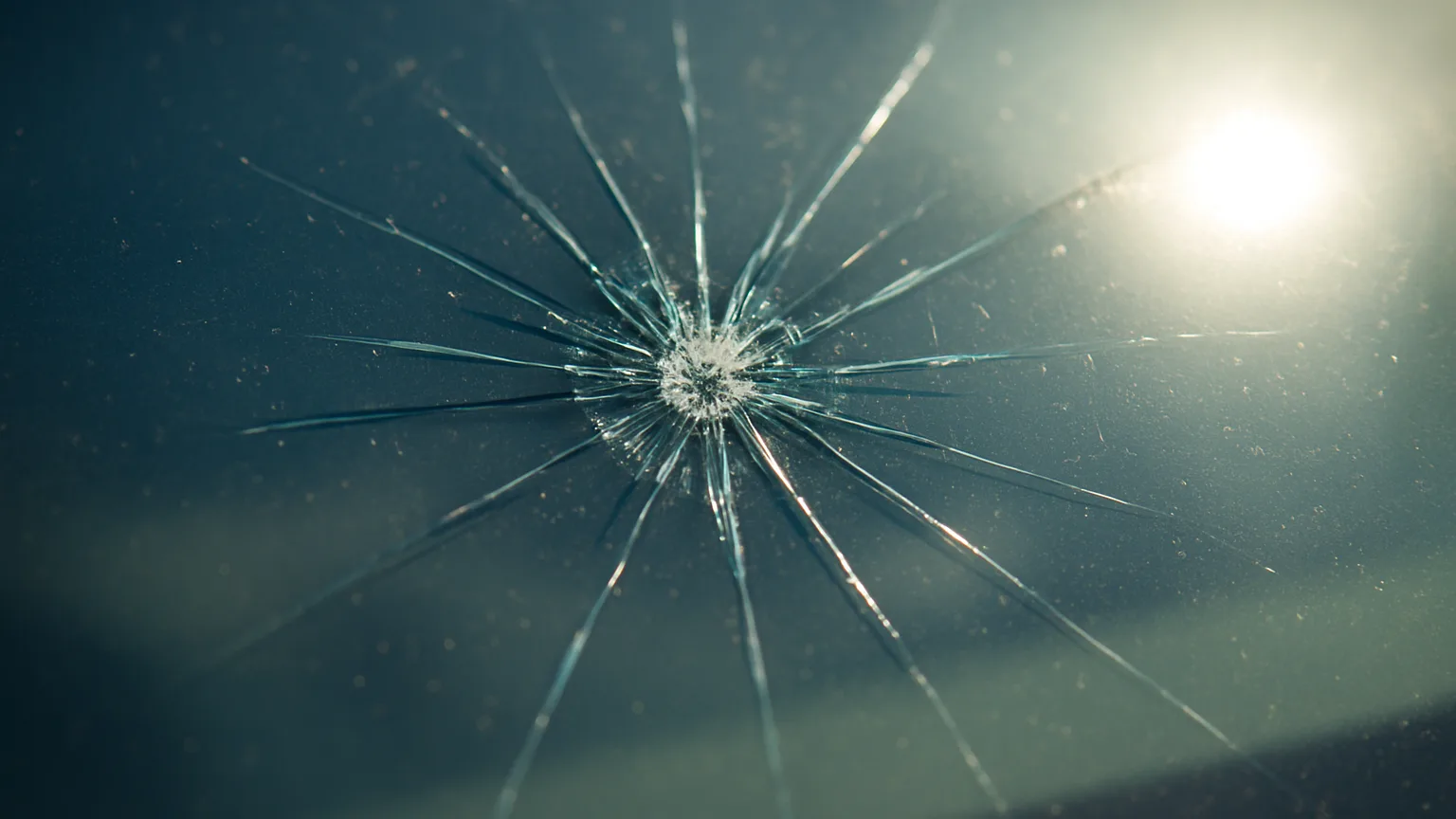
Part 1: That Tiny Chip Won't Survive the Next Texas Heat Wave: Fix It Before Summer Splits Your Windshield
How Dallas's triple-digit heat and blasting A/C create the thermal shock that turns a repairable chip into a full replacement, and the warm-weather repair and ADAS calibration steps that stop the spread now.
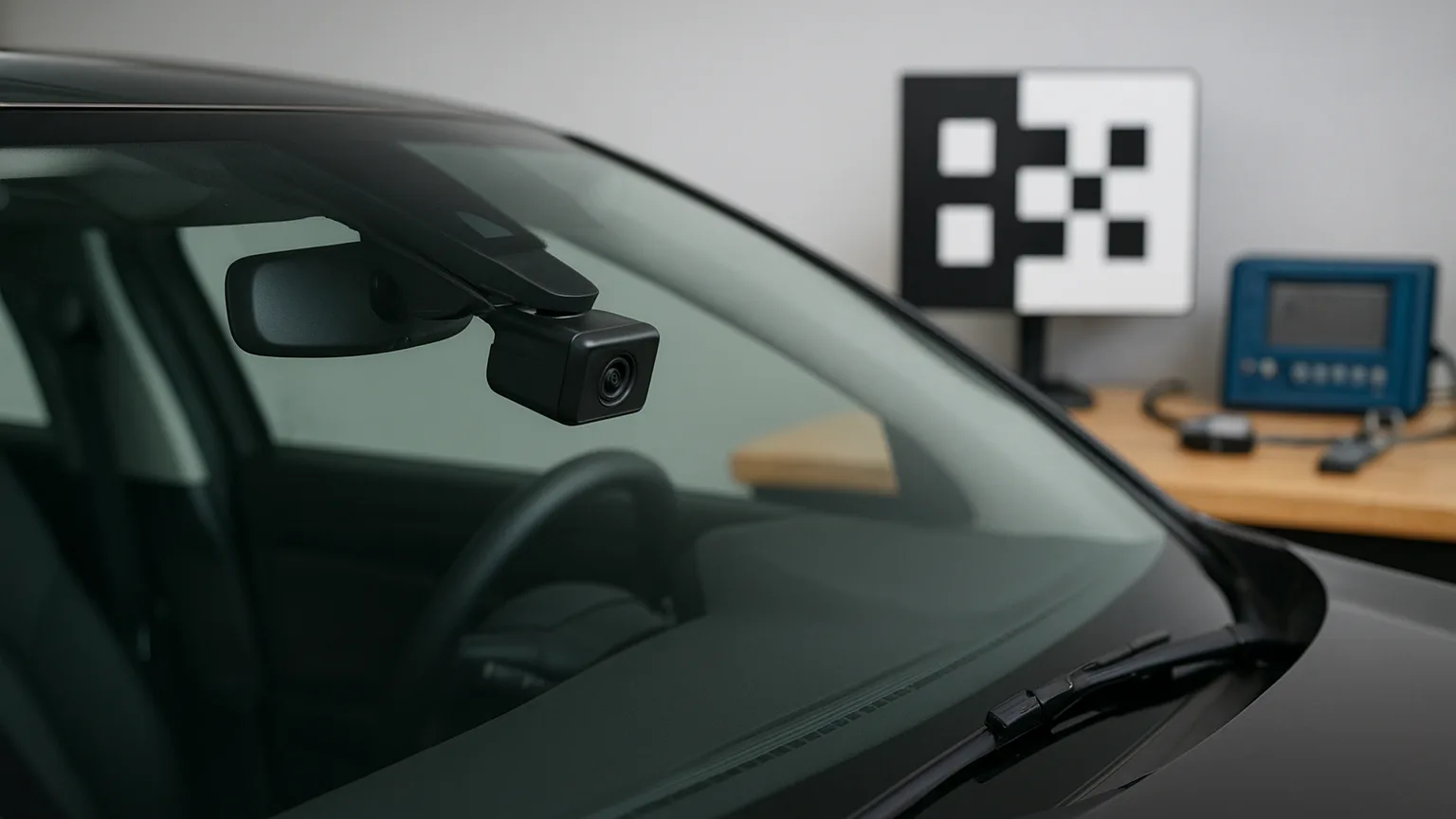
Part 2: Hail Season Is Coming for Your Glass: Get Your ADAS Calibration Verified Before the Spring Storms Hit
Why North Texas hail and windblown debris knock camera-and-sensor alignment out of spec, and how to pre-check, document, and recalibrate your system ahead of the storm window so post-damage repairs go fast and insurance-clean.
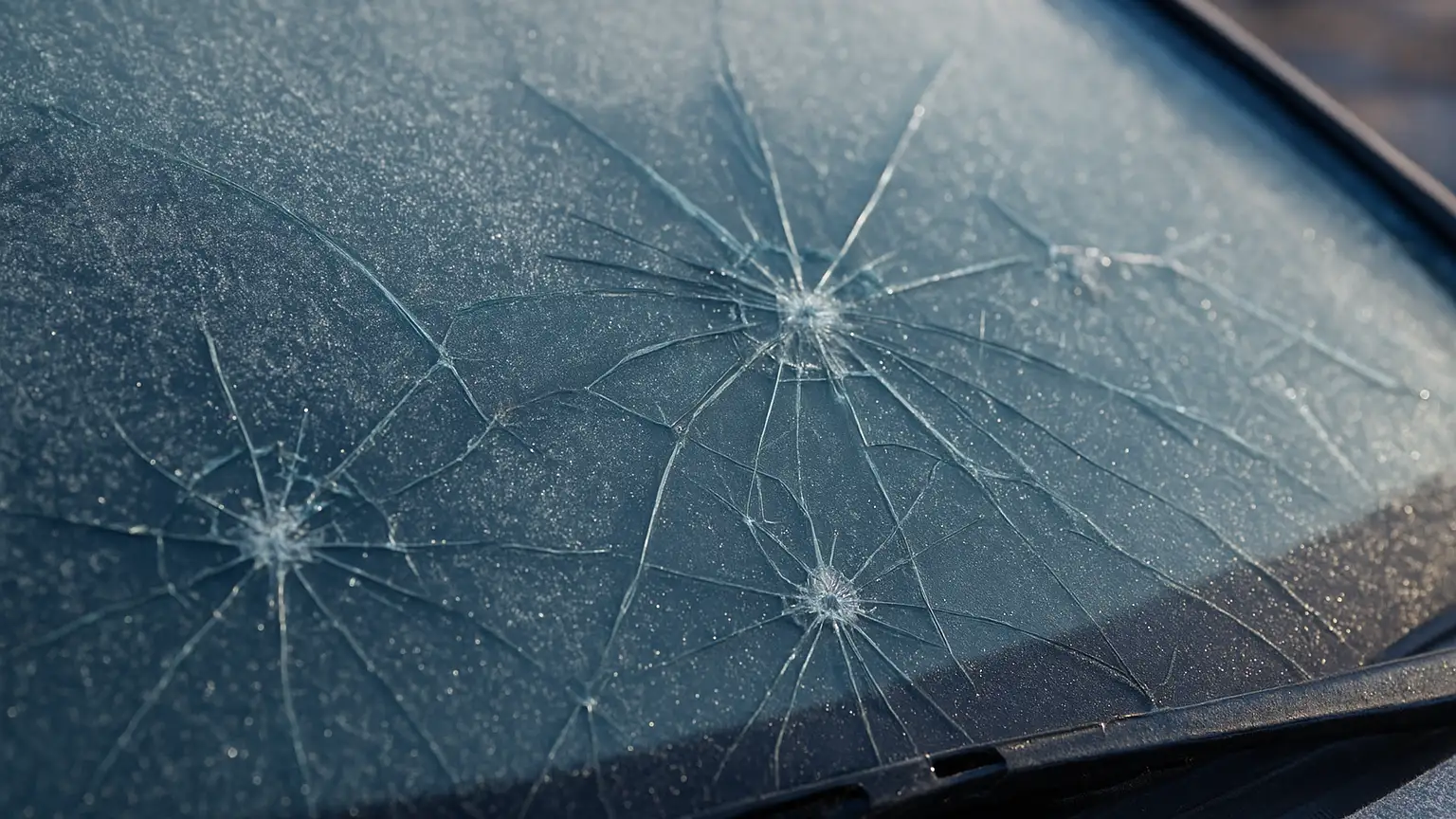
Part 3: The First Cold Snap Will Crack What Summer Weakened: Winterize Your Windshield and Recalibrate Before Temperatures Drop
What freezing mornings, defroster blasts, and ice scrapers do to already-stressed glass and mounted sensors, plus the cold-weather repair, resealing, and calibration checklist that keeps driver-assist features accurate through winter.
Glass problem in your driveway right now?
Send a photo with the year, make and model. You get a straight answer on repair or replacement and a time we can be there.