Somewhere between the break room and the neighborhood group chat, Texas picked up a law it never actually passed. Ask around and someone will tell you with total confidence that windshield replacement is free here, that the state requires it, that their cousin got one at no cost last spring. The cousin may well have paid nothing. The reason had nothing to do with Texas law.
The gap between what drivers believe about glass coverage and what their policy actually says is expensive, and it usually gets discovered at the worst moment, standing in a driveway with a spreading crack and a technician waiting for an answer. So here is the real version, written for people who have never enjoyed reading an insurance declarations page.
The states that really do have a free glass law
Florida and South Carolina wrote zero deductible glass coverage into statute. If you carry comprehensive coverage in those states, glass gets repaired or replaced without you paying a deductible, because the legislature said so. That rule is real, it is unusual, and it travels well as a rumor. People move, people talk, and the rule gets repeated a few hundred miles west of where it applies.
Texas has no equivalent. There is no state mandate that your carrier waive the deductible on glass, no requirement that replacement be free, and nothing that treats a windshield differently from any other comprehensive loss. The Texas Department of Insurance publishes plain language guides to auto coverage, and the absence is conspicuous once you go looking for it.
How your Texas policy actually sees a broken windshield
Glass damage is almost always a comprehensive claim, sometimes labeled other than collision on your paperwork. Comprehensive is the part of the policy that handles things that happen to your car rather than things you crash into. Hail, theft, fire, flood, vandalism, a deer, and yes, the rock that flew off a dump truck on the LBJ Freeway.
Two facts follow from that, and they surprise people in opposite directions. The first is good news. A glass claim is not an at fault accident claim, and carriers generally treat the two categories very differently. The second is the part nobody wants. Comprehensive carries a deductible, and unless you bought something extra, that deductible applies to your windshield exactly the way it applies to hail damage.
Finding your number in ninety seconds
Open your insurance app or your declarations page and look for the line marked comprehensive or other than collision. Next to it is a dollar figure. That is what you pay before coverage starts. Common amounts run in the two hundred fifty to five hundred dollar range, though plenty of drivers carry more or less. If that number is higher than what a replacement costs, filing a claim does nothing for you at all. You would pay the whole bill either way and add a claim to your record for no benefit.
The add on that does what people think the law does
Here is where the cousin with the free windshield comes in. Texas carriers commonly offer an optional glass endorsement, sometimes sold as full glass coverage or a glass deductible waiver. You elect it when you build the policy, you pay a small amount for it, and it drops your deductible to zero specifically for glass claims. It is genuinely useful, especially in a metro area that chews through windshields, and most drivers have no idea whether they have it.
- It has to be elected. No carrier adds it silently, and it will not appear on a policy you bought online in four minutes without reading the options.
- It usually costs very little relative to a single replacement, which is why agents recommend it for high mileage commuters.
- It applies to glass only. It does not change your deductible for hail, collision, or anything else.
- If you have it, a replacement can genuinely cost you nothing out of pocket. That is the scenario people mistake for a state law.
Call your agent and ask one specific question. Do I have a separate glass deductible, and what is it. Thirty seconds, and you will know more than most drivers on your street.
Repair claims often play by friendlier rules
Even without the endorsement, chip repair sometimes lands differently than replacement. Carriers know the arithmetic better than anyone. A small repair today prevents a much larger replacement bill next month, so some policies waive or reduce the deductible for repairs specifically, and some carriers actively encourage drivers to fix chips early. Whether yours does is a policy question, not a state question, so it is worth asking in the same phone call.
This is one more reason the timing advice in our chip and crack repair guidance is not just upselling. Repair is cheaper for you, cheaper for the carrier, and there is a real window before Dallas heat cycles turn a fixable star break into a crack that runs the width of the glass.
What a glass claim does and does not do to your record
This is the fear that keeps people from filing, and it deserves a straight answer rather than a comforting one. Comprehensive claims are not at fault claims, and carriers generally weigh them differently when they look at a policy. A single glass claim is a different animal from a collision where you were cited. That said, no carrier promises that claims are invisible, and pricing practices vary between companies in ways no shop can predict for you.
The honest position is this. If you carry a glass endorsement, using it is the entire point of paying for it. If you are filing a standard comprehensive claim and the repair cost sits close to your deductible, the claim buys you very little and you are usually better off paying directly. If the replacement is well above your deductible, the claim is doing real work. Anyone who tells you filing never matters, or that filing always raises your rate, is guessing on your behalf.
Hail season quietly rewrites the math
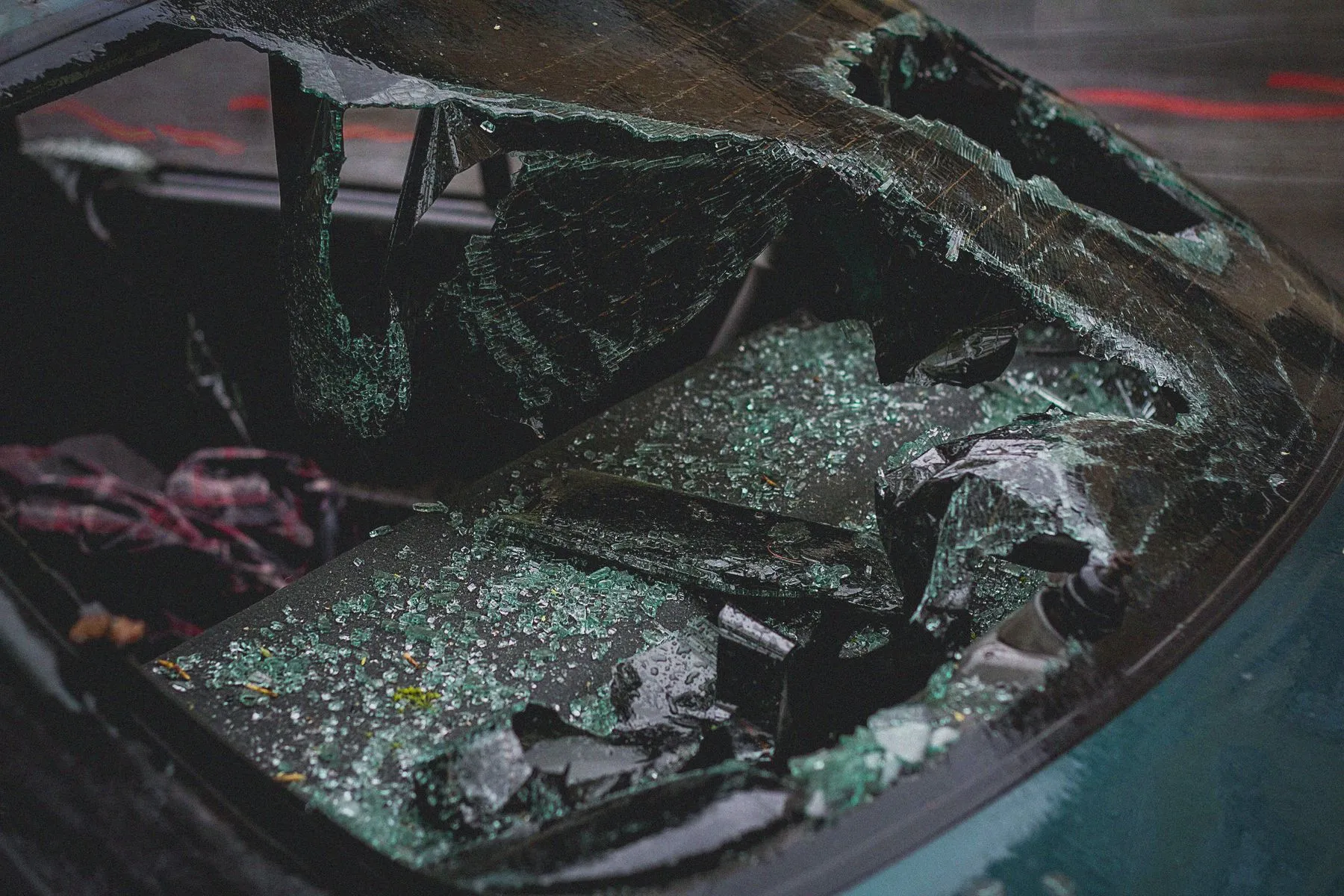
North Texas runs a spring severe weather season that puts an unusual amount of glass on the claim rolls in a short window. After a big hail event, replacement demand spikes across the metro, glass for popular vehicles moves quickly, and scheduling tightens for everyone. It is the one time of year when the difference between calling on Monday and calling on Friday is measured in days rather than hours.
Two practical habits help. First, if a storm rolled through and your windshield took hits, photograph the glass while the damage is fresh, in daylight, from both sides. Second, if you were already sitting on a small chip when the hail came, mention it. Impact damage that existed beforehand and impact damage from the storm are treated differently, and being clear about the sequence keeps the claim clean.
What replacement actually involves, and why quotes differ
Two shops can quote the same vehicle and land far apart, and the reason is rarely dishonesty. It is usually a different answer to three questions.
- Which glass. An original equipment windshield, an original equipment equivalent from the same manufacturer without the badge, and an aftermarket part are three different price points with three different fit and optical standards.
- What is built into the glass. Rain sensors, humidity sensors, acoustic interlayers, heated wiper park areas, heads up display film, and antenna elements all change the part number and the price. A base model and a loaded trim of the same car are not the same job.
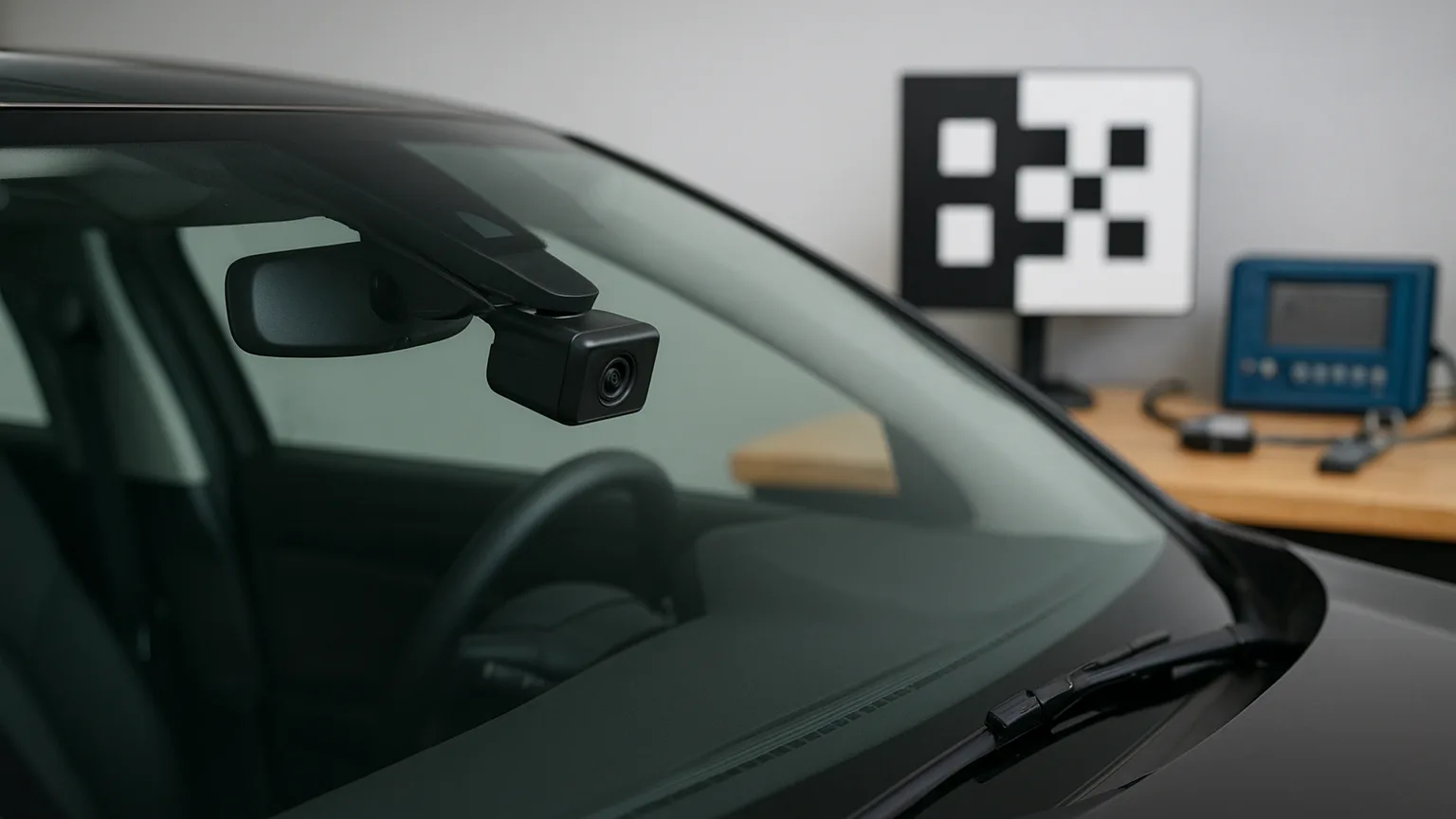
- Whether a camera has to be recalibrated. On a vehicle with driver assist features, recalibration is a separate procedure with its own equipment and time requirement. A quote that leaves it out is not cheaper, it is incomplete. Our recalibration page covers what the process involves.
When you compare prices, make sure you are comparing the same three answers. Otherwise you are comparing a windshield to a different windshield.
Before you call your carrier, have this ready
Claims move faster when the first phone call is complete. Have the year, make, model and trim of the vehicle, the VIN, the date the damage happened, a rough description of how it happened, and a photo of the damage from both inside and outside the car. If you already know whether your vehicle has lane keep assist or automatic emergency braking, say so early. It affects the authorization and prevents a second call later.
You also get to choose who does the work. Texas drivers are not required to use a shop from a carrier's preferred network, and a carrier steering you toward one is offering a suggestion, not issuing an instruction. Pick the shop you trust, then let the paperwork follow.
The Cheapest Claim Is the One You Never Need to File
Strip away the rumor and the picture is simple. Texas does not hand out free windshields, your comprehensive deductible applies unless you bought the glass endorsement, and the single most useful thing you can do this week is find out which of those two situations you are in. That answer changes how you handle the next rock, and in Dallas there is always a next rock.
The other half is timing, and it is entirely within your control. A chip caught early is small money and sometimes no money. The same chip after a few weeks of hundred degree afternoons and hard defrost mornings is a replacement, a calibration, and a deductible conversation. If something hit your glass recently, get eyes on it now. Send a photo or book a mobile visit and we will tell you honestly which side of that line you are on, including when the answer is that you do not need us yet.
Glass problem in your driveway right now?
Send a photo with the year, make and model. You get a straight answer on repair or replacement and a time we can be there.