A windshield chip is the only damage on your car that gets worse while you are asleep. Nothing hits it, nobody touches it, and yet the little star that showed up on Tuesday afternoon has grown a leg by Thursday morning. Glass does that. It holds stress the way a stretched rubber band holds tension, and a chip is the weak spot where that tension finally gets to move.
Most drivers in Dallas end up guessing at this. They look at the mark, decide it is small, and put it on the list of things to handle later. Sometimes that guess works out. Often it does not, and the fifty dollar problem becomes the five hundred dollar problem. There is a better way to make the call, and it takes about thirty seconds in a parking lot.
Put a quarter on it before you call anyone
Pull a quarter out of the cupholder and lay it flat over the damage. If the coin covers the whole thing, edge to edge, you are looking at something a technician can usually fill and seal. If the damage runs past the rim of the coin, you are into replacement territory more often than not. This is not a legal standard or a manufacturer rule. It is a rough field test that gets you close, fast, before you spend an afternoon calling shops.
Cracks get a different measuring stick. Hold up a dollar bill instead. A single crack shorter than the long edge of the bill, roughly six inches, is often repairable if it has not reached the outer edge of the glass. Once a crack touches the perimeter, the structural math changes and repair stops being the honest answer.
Why the shape of the break matters
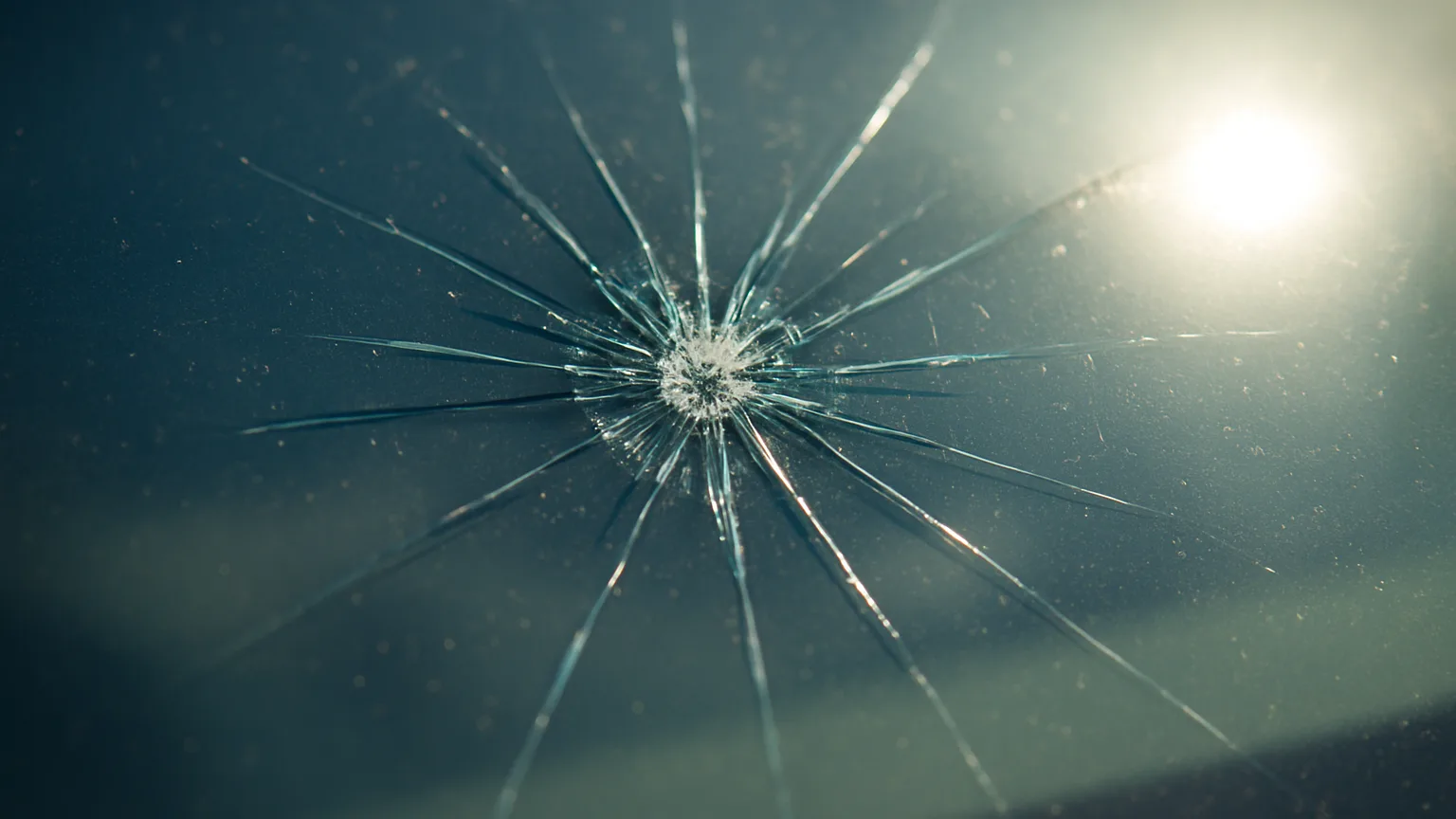
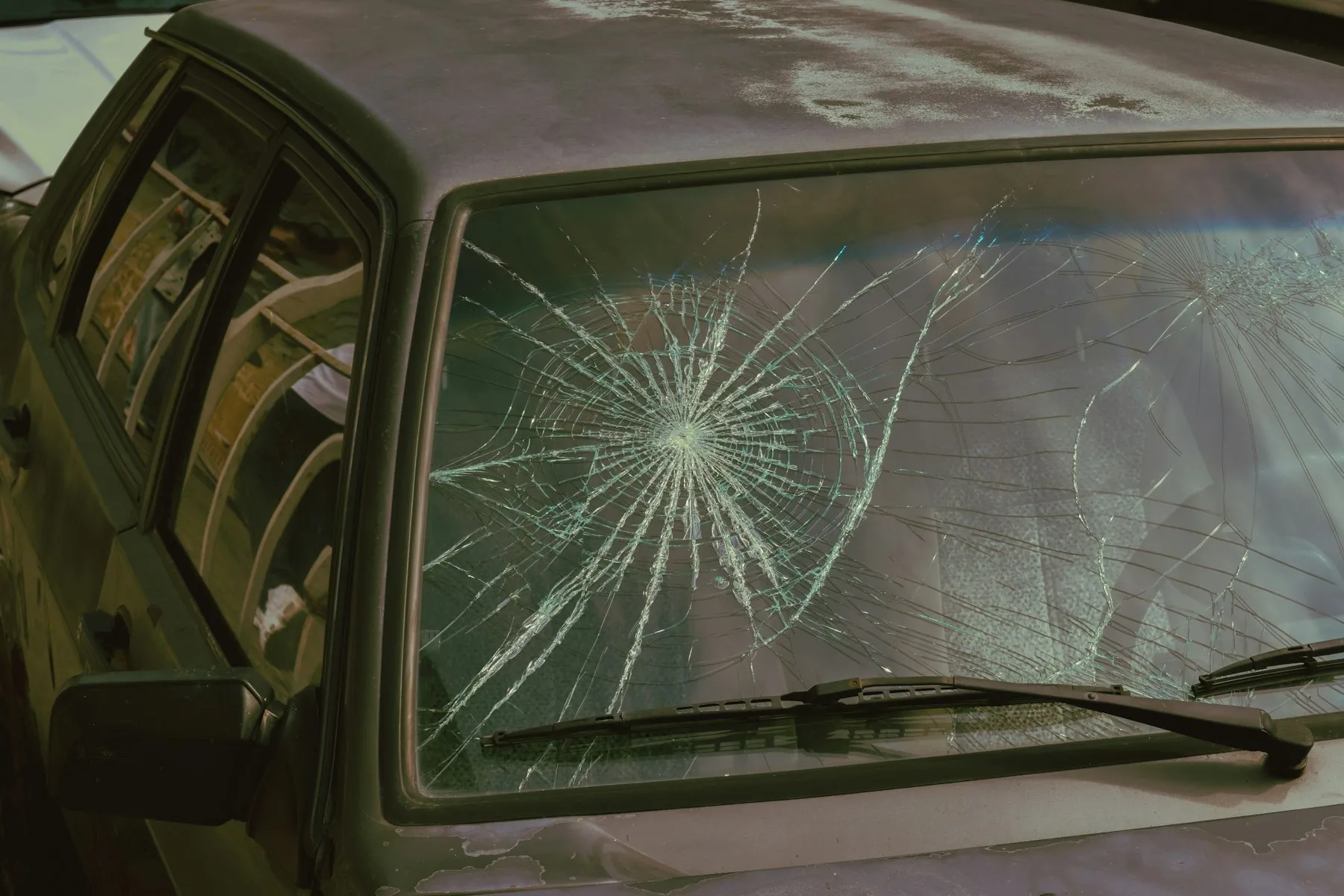
Technicians name damage by what it looks like, and the names are more useful than they sound. A bullseye is a clean circular break with a dark center, and it fills beautifully. A star break sends short legs out from the impact point, and those legs are what spread later. A combination break has both, and it is the one that most often surprises people by growing overnight. Long stress cracks that appear with no impact mark at all usually mean the glass was already carrying tension from a previous hit or a poor installation.
Location beats size almost every time
A tiny chip in the wrong place is worse than a bigger chip in the right place. There are three spots where technicians will usually stop and recommend replacement no matter how small the damage looks.
- Directly in the driver's line of sight. Resin fills the break and restores strength, but it never disappears completely. There is always a faint scar. Sitting that scar right in the wiper sweep in front of the steering wheel trades a safety problem for a distraction problem.
- Within about two inches of the edge. The perimeter of the windshield is where the glass bonds to the body and where it carries load. Damage out there tends to run, and it runs fast when the frame flexes over a rough patch of road.
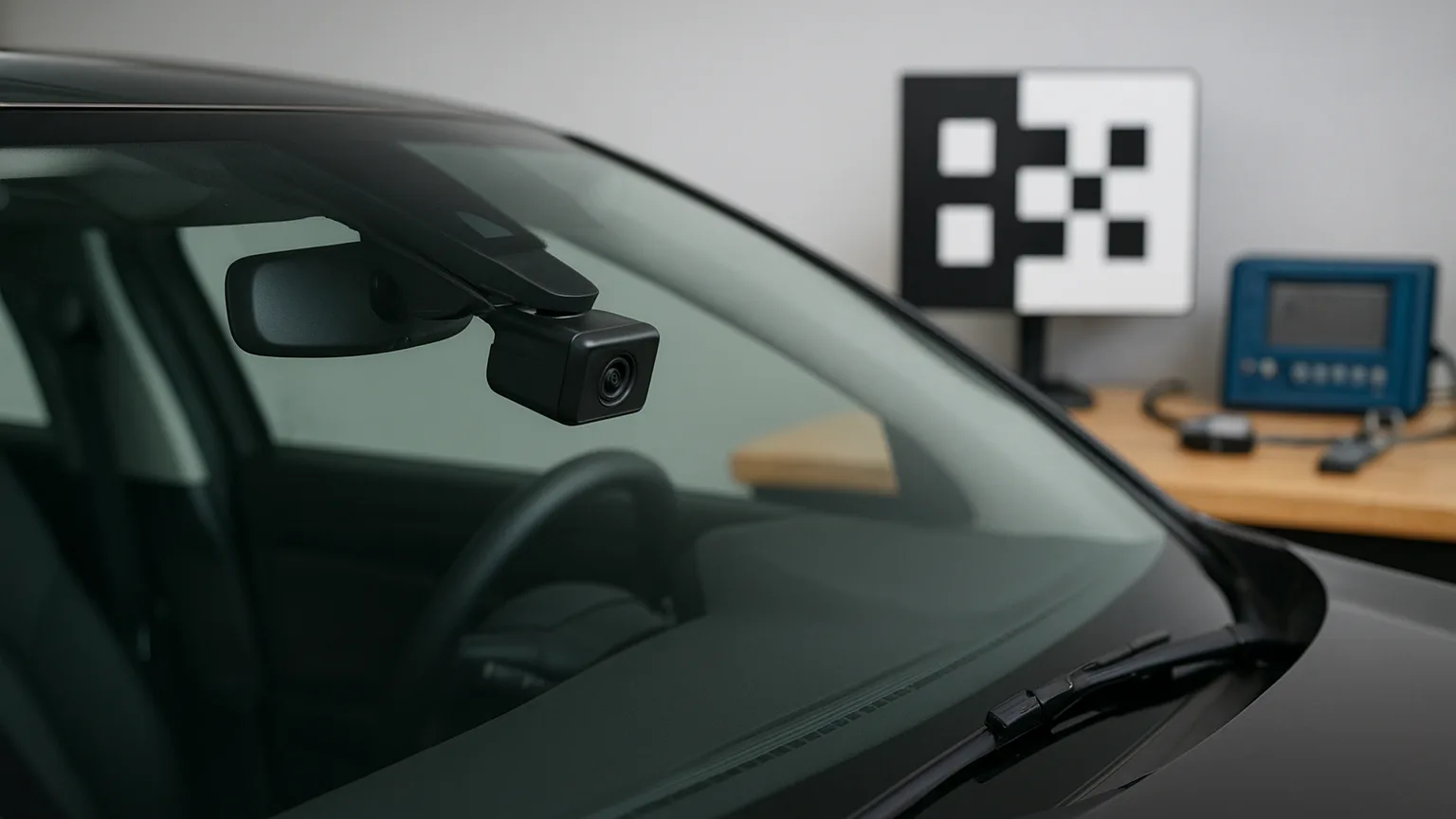
- Over a camera or sensor. Newer vehicles look through a specific window in the glass near the mirror. Resin in that path can scatter light and confuse the camera, which is a far bigger problem than a cosmetic blemish.
Count the hits too. One chip is a repair conversation. Three or four scattered across the glass usually is not, because each repair is a small stress point, and a windshield full of them stops behaving like a single piece of laminated safety glass.
What Dallas weather does to a chip nobody fixed
This part is local, and it is the reason the same chip behaves differently in Dallas than it does in San Diego. Summer here parks cars in one hundred degree heat until the glass surface is far hotter than the air. Then the driver gets in, blasts the air conditioning straight at the windshield, and drops the inside surface temperature thirty degrees in under a minute. The outer layer stays hot, the inner layer contracts, and the chip in the middle takes the strain.
Winter runs the same experiment in reverse. A cold morning on the driveway, then defrost on high, and the glass expands from the inside out. Two or three cycles of that is often all it takes for a quiet little star break to send a crack halfway across the passenger side. Add the gravel and construction debris that live permanently on I-635 and the Dallas North Tollway, and you get a city that is genuinely hard on windshields.
The practical takeaway is boring and true. A chip repaired within a few days of the hit is nearly always straightforward. The same chip after two weeks of Dallas summer is a coin flip.
What actually happens during a repair
People imagine glue and a prayer. The real process is closer to minor surgery, and it takes about half an hour.
- The technician cleans the break and removes loose glass fragments from the impact point.
- A bridge tool seals over the damage and pulls a vacuum, drawing the trapped air out of every leg and cavity.
- Clear acrylic resin is injected under pressure, filling the space the air just left.
- Ultraviolet light cures the resin until it is as hard as the glass around it.
- The surface is scraped flat and polished so wipers pass over it cleanly.
Done properly, the repair restores most of the original strength and stops the damage from spreading. Clarity improves by a lot, usually somewhere between seventy and ninety percent, but a faint mark stays behind. Any shop that promises the chip will vanish completely is selling you something. Our chip and crack repair service page walks through what a technician checks before deciding, and what happens if they open the break and find it is worse than it looked.
When replacement is simply the right call
There is no prize for saving a windshield that should have been replaced. These are the cases where the answer is clear.
- The crack has reached the edge of the glass, anywhere along the perimeter.
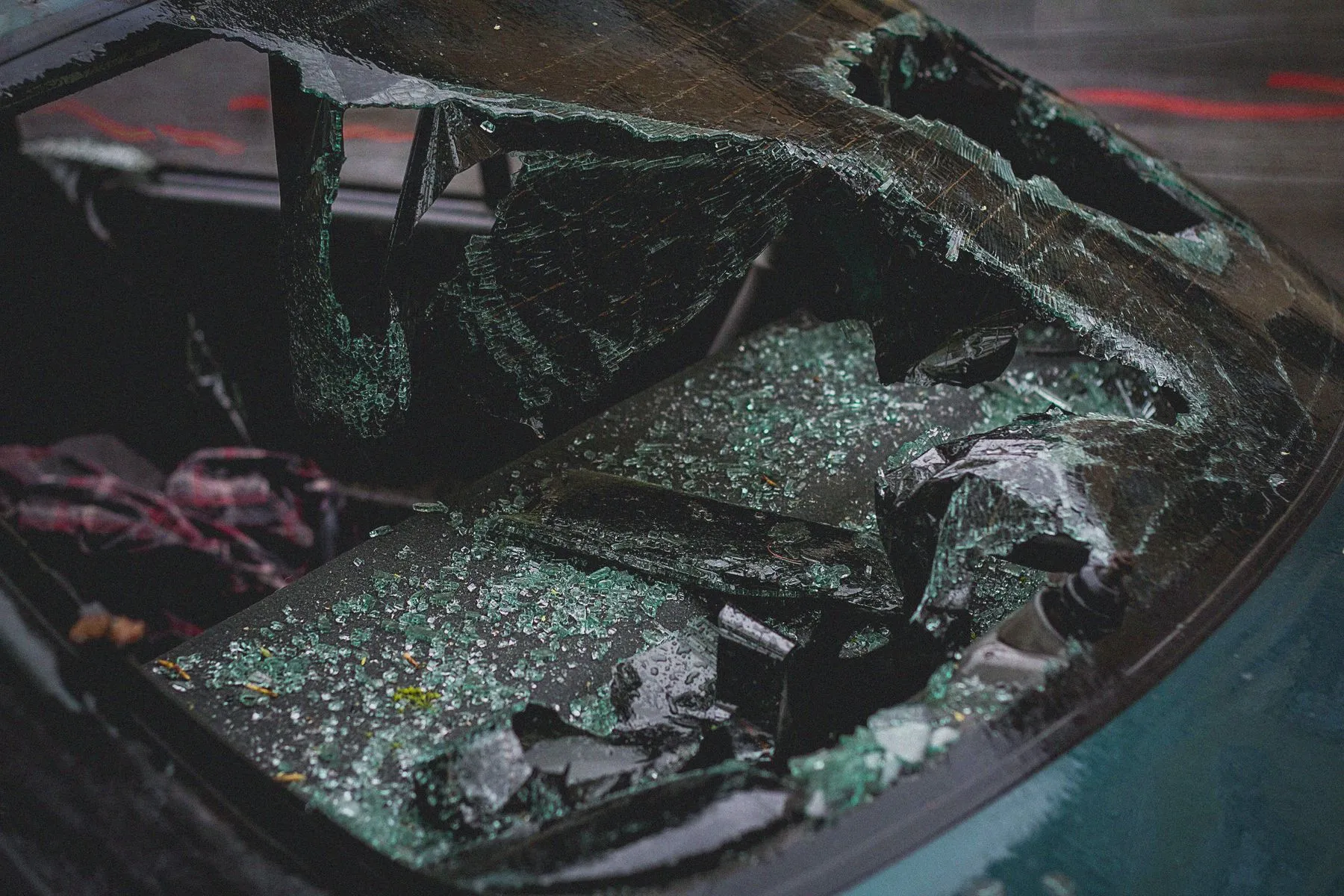
- The damage penetrates both layers of glass, which you can often feel as a rough spot on the inside surface.
- The inner layer is damaged, or the plastic interlayer between the two panes has started to cloud or separate.
- There are multiple significant breaks spread across the windshield.
- The damage sits squarely in the driver's primary viewing area.
None of that is bad news, exactly. A properly installed windshield is a structural part of your car. It supports the roof in a rollover and it backs the passenger airbag, which needs the glass to stay put while it inflates. When replacement is the answer, the work that matters is the prep and the urethane, not the glass itself. That is covered in more depth on our Dallas windshield replacement page.
The camera question that did not exist ten years ago
If your vehicle has lane keep assist, adaptive cruise, automatic emergency braking, or a camera housing behind the rearview mirror, the windshield is part of a sensing system. Replacing the glass moves that camera, and even a very small change in aim compounds badly at distance. Industry guidance from the Auto Glass Safety Council notes that a camera off by a single degree can be off by roughly eight feet at a hundred feet away. That is the difference between a car that brakes for the vehicle ahead and one that does not. If your car has it, recalibration is part of the job, and our ADAS recalibration page explains how it is performed.
The cost of waiting, in plain numbers
A chip repair is a fraction of the cost of a replacement, and it is quick enough that most people do it in a work parking lot without rearranging their day. A replacement costs meaningfully more, takes longer, and on a modern vehicle adds a calibration step on top. The chip does not care about any of that. It only responds to time, temperature swings, and road vibration, and Dallas supplies all three generously.
Insurance sometimes tips the math further. Many Texas policies treat glass as a comprehensive claim, and some carriers waive or reduce the deductible on repairs specifically because a cheap repair today saves them an expensive replacement later. It is worth one phone call to your agent before you assume you are paying out of pocket.
Small Glass Problems Do Not Stay Small
The quarter test will not make you a technician, but it will keep you from guessing. Coin covers it and it sits away from the edges and out of your sightline, and you are probably thirty minutes from having it handled. Damage runs past the coin, touches the perimeter, sits in front of the steering wheel, or shows up in more than one place, and you are looking at new glass. That is the whole decision tree, and it holds up better than the advice most drivers get from a friend at work.
What matters more than which side of the line you land on is how quickly you look. Glass damage is one of the few car problems where acting in the first week genuinely changes the outcome and the price. If there is a mark on your windshield right now and you are not sure which category it falls into, send a photo or book a mobile visit and get a straight answer. We would rather tell you it is a simple repair than meet you three weeks later with a crack running the width of the car.
Glass problem in your driveway right now?
Send a photo with the year, make and model. You get a straight answer on repair or replacement and a time we can be there.