Part 3 of 3 in the series The Dallas Calibration Calendar: Season-Proofing Your Windshield Before Damage Wins (The Complete Series).
Part two of this series covered hail season and why storm damage throws camera-and-sensor alignment out of spec before you notice any change in how your car drives. Now we close the calendar. Winter is the season that collects on everything the other three did to your glass.
This series was shaped by insights from the team at Goliath Auto Glass, whose technicians work on the same sun-baked, storm-battered vehicles that roll through North Texas shops every year. Their read on winter damage is blunt: most of the cracks they see in December did not start in December. They started in July.
Why a 38-Degree Morning Breaks Glass That Survived 108 Degrees
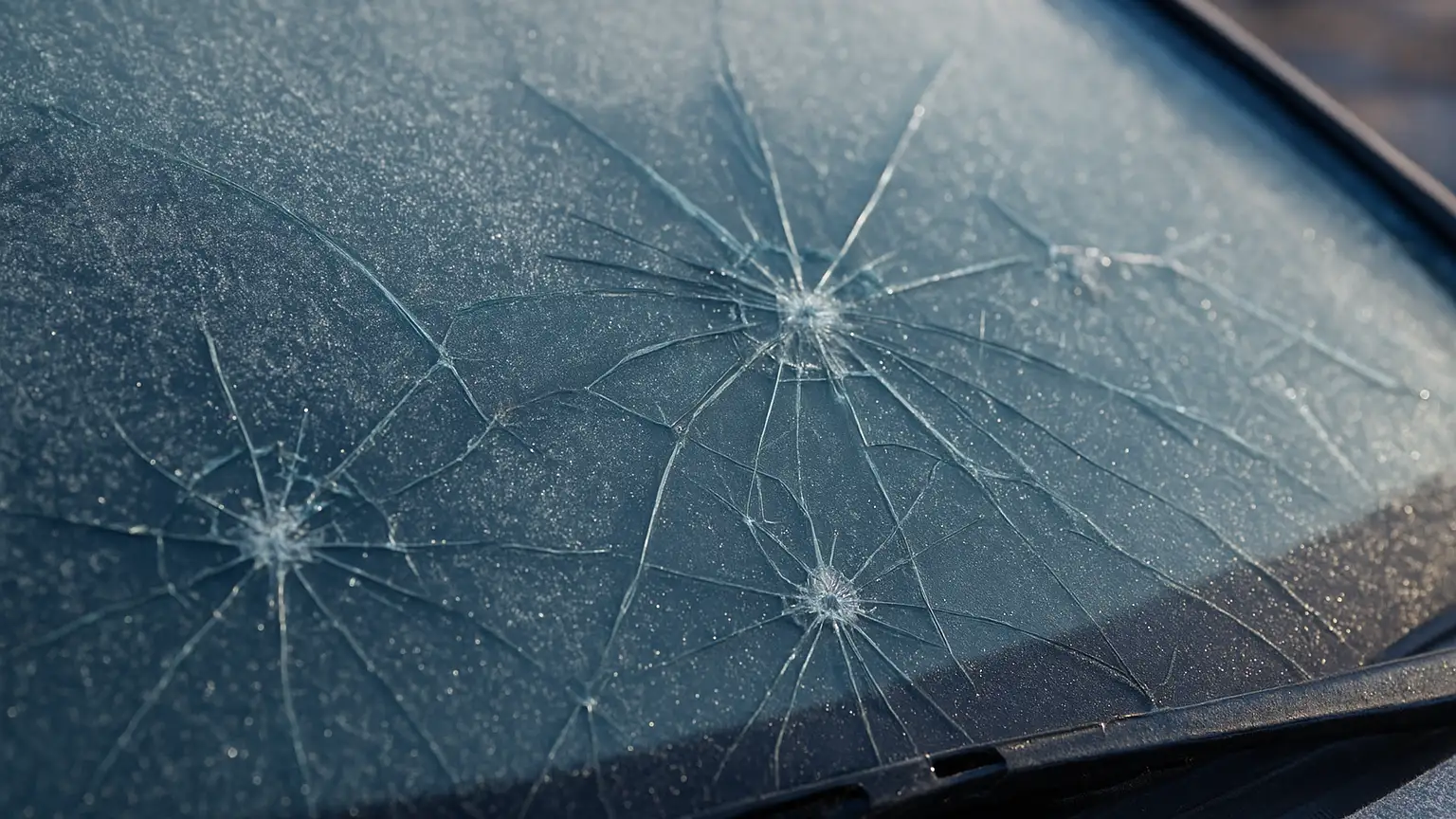
Glass expands when it is hot and contracts when it is cold. What makes Dallas winters so rough on windshields is how fast the swing happens and how often it repeats. A December week here can run 72 degrees Tuesday afternoon and 29 degrees by Thursday morning. Your windshield goes through that stretch-and-shrink cycle a dozen times in a season, and every cycle puts load on any weak point already in the glass. A chip you have been ignoring since summer road construction is not a dent anymore. It is a hinge.
Then you make it worse without meaning to. You start the car, crank the defroster to full heat, and point superheated air at the coldest part of the vehicle. The inside surface of the glass expands. The frost-covered outside does not. That difference is measured in fractions of a millimeter, and it is more than enough. Techs call it thermal shock, and it is the single most common reason a repairable chip becomes a full replacement between Thanksgiving and February.
The Four Winter Habits That Finish Off Weakened Glass
- Full-blast defrost on a frozen windshield. Start on low heat and let it climb over three or four minutes. Cold air first is even better.
- Hot water on ice. People still do this. It will crack a healthy windshield, let alone a compromised one.
- Metal scrapers and hard pressure. Plastic scrapers only, and never grind directly over a chip. The flexing around the damage point spreads the break.
- Slamming doors on a sealed cabin. Cold stiffens urethane seals, and a hard slam creates a pressure spike against an already stressed edge bond.
None of these habits matter much on fresh, undamaged glass. Every one of them matters enormously on glass that spent nine months collecting stress. If you are not sure which category yours falls into, the quarter test is a fast way to judge whether the damage is still small enough to fill.
Repairing in the Cold Is Different Work
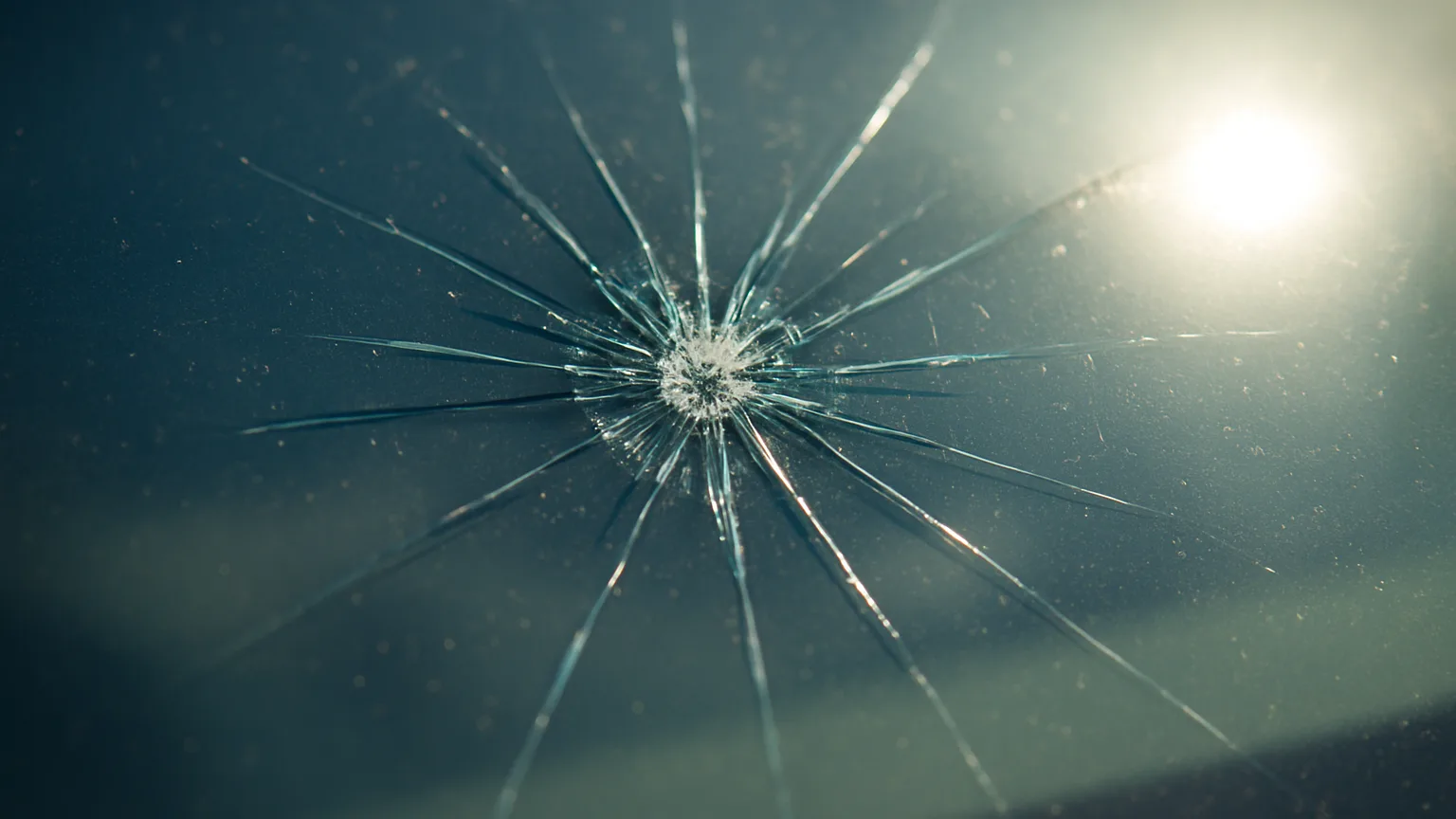
Resin does not behave the same at 40 degrees as it does at 90. It thickens, flows slower, and will not fully penetrate the fine legs of a star break if the glass is cold. A rushed cold-weather repair looks fine in the parking lot and reopens by January. Good shops warm the glass gradually before injecting, control the cure with a UV lamp rather than depending on weak winter sun, and let the resin sit longer before polishing. It adds fifteen or twenty minutes, and it is the difference between a repair that holds and one that becomes a replacement.
"Cold-weather repairs fail for one reason, and it is almost always temperature, not technique," says Marcus Villareal, lead calibration technician at Goliath Auto Glass. "If the glass is not brought up to the right range before resin goes in, you are sealing air into the break instead of pushing it out."
Seals and Moldings Deserve a Look Too
Urethane bonds do not fail all at once. They shrink, harden, and pull back at the corners over years of Texas sun, and winter rain finds those gaps. Water seeps into the pinch weld, sits there through a freeze, and starts rust you will not see until the next replacement. Check the perimeter molding for lifting, cracking, or a chalky look, and run a finger along the top edge after a rain to see if the headliner is damp. Either sign means a reseal, which is far cheaper than corrosion repair on the frame.
Cold Weather and Your Driver-Assist Cameras
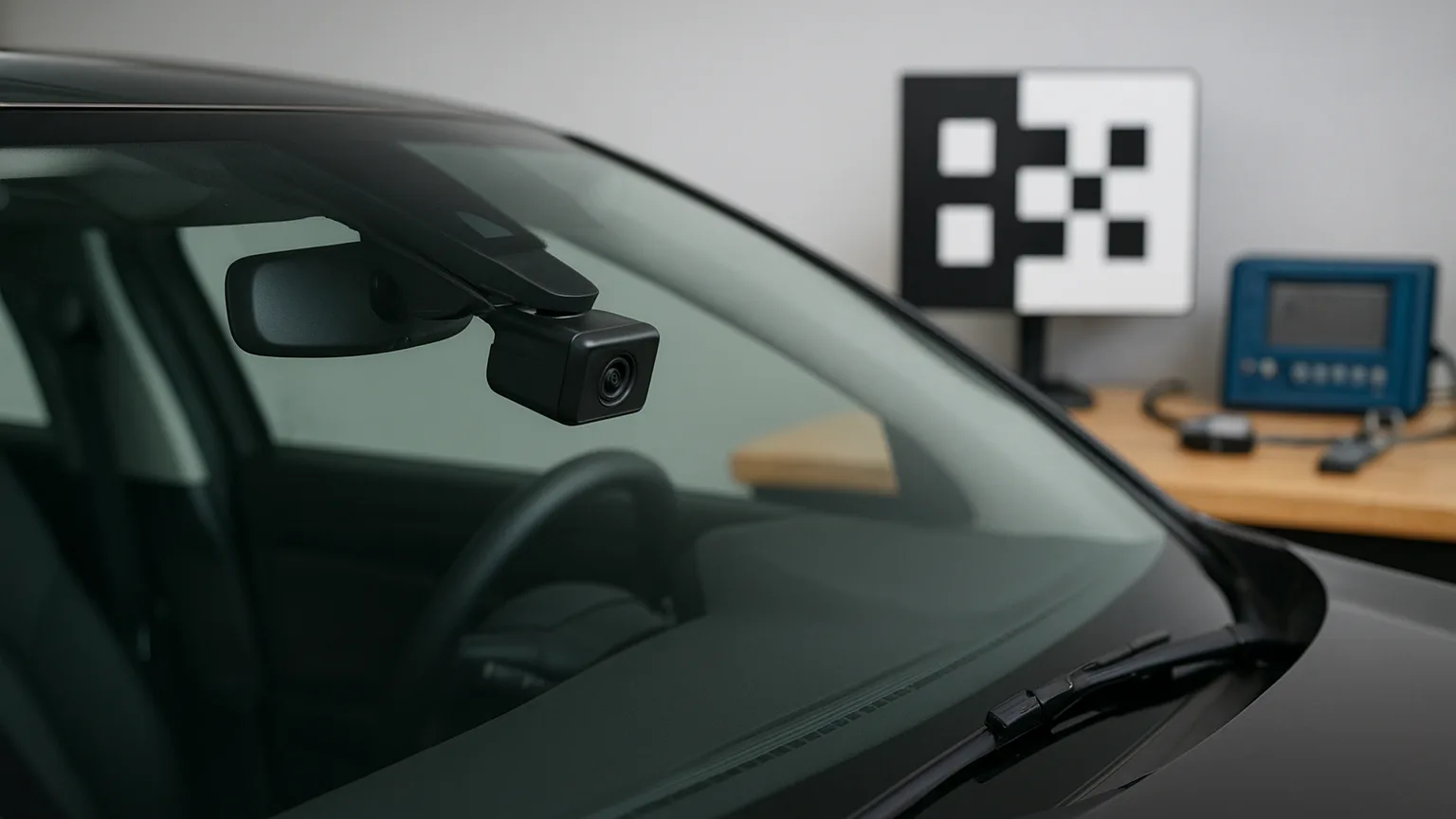
The forward camera behind your rearview mirror is mounted to the glass, so when the glass moves even microscopically, the camera's aim moves with it. Cold contraction, a new chip forming near the bracket, or a reseal that seats the glass a hair differently all change what that camera thinks it is looking at. The symptoms are subtle: lane keeping tugs a little early, adaptive cruise brakes later than it used to, automatic emergency braking throws a false alert on an overpass shadow. Drivers blame the weather and move on when the real cause is a calibration that drifted out of tolerance. Winter piles on its own interference: fog, condensation between layers of glass, road salt film from an ice event, low sun angles. A perfectly calibrated system handles those conditions. One that is slightly off does not.
Your Pre-Freeze Checklist
- Fill every chip and short crack before the first hard freeze, not after.
- Inspect and reseal any lifted or hardened molding around the perimeter.
- Replace wiper blades. Old blades chatter and scratch, and scratches scatter light into the camera lens.
- Test your defroster grid and rear defogger before you need them at 6 a.m.
- Schedule a calibration verification if you have had glass work, suspension work, or a significant impact this year.
- Keep documentation. Calibration records matter if you file a claim later, and it helps to know that Texas never passed the free windshield law many drivers assume covers them automatically.
Four Seasons, One Piece of Glass, and What It All Adds Up To
Across this series we followed a single windshield through a Dallas year. Summer heat and A/C blasts turned small chips into spreading cracks. Spring hail and windblown debris knocked cameras and sensors out of alignment while the glass itself looked fine. Winter applies pressure to every weak point the previous nine months created. The pattern is accumulation: damage ignored in May is what breaks in December, and the calibration that drifted after a hailstorm is the one quietly making bad decisions on an icy morning.
The takeaway is simpler than the science behind it. Small glass problems are cheap and fast to fix in the window before the weather turns, and expensive and slow once the weather does the turning for you. Treat your windshield like the structural, sensor-mounting, safety-critical component it actually is, and put a repair and calibration check on the calendar ahead of each season rather than after it.
Glass problem in your driveway right now?
Send a photo with the year, make and model. You get a straight answer on repair or replacement and a time we can be there.